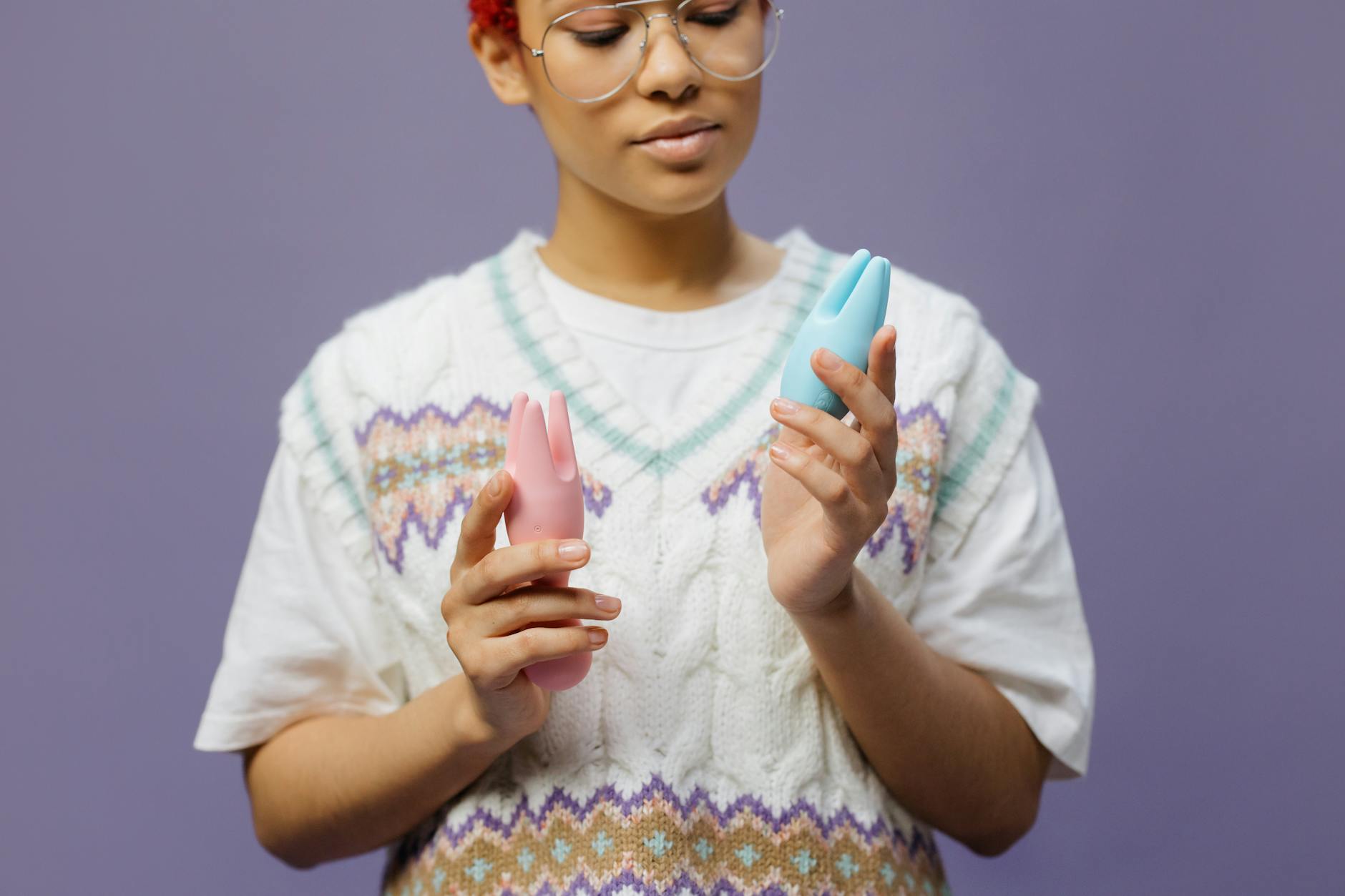
Why Lemon Vibrators Feel Different After Perimenopause
Let's be real. You've been using your lemon vibrator the same way for years. The intensity is unchanged. The battery still lasts through a full charge. But somewhere in the last 12 to 18 months, the sensation shifted. It feels duller. It takes longer to build. Or it feels weirdly intense in a way that used to feel perfect. You're not imagining it, and your vibrator isn't broken.
Your body is changing, and perimenopause is likely the reason. Here's what's happening biologically, why it matters for clitoral pleasure, and how to use your lemon vibrators more effectively right now.
What perimenopause actually does to tissue
Perimenopause is the transition phase before menopause, typically lasting 4 to 10 years. During this window, estrogen levels fluctuate wildly. They don't drop steadily. They spike and crash unpredictably, sometimes week to week.
This hormonal turbulence changes clitoral tissue in specific ways. The clitoris is highly estrogen-sensitive. When levels drop, even temporarily, tissue becomes thinner and less engorged. The clitoral hood loses elasticity. The vulva overall produces less natural lubrication. Blood flow to the area becomes less consistent.
None of this means you can't orgasm. It means the sensation pathway is different. You're essentially working with a modified instrument. A lemon clitoral vibrator that used to feel like a perfect fit now requires adjustment.
Why intensity feels off
Perimenopausal tissue is thinner, so the same vibration intensity registered differently before. Imagine pressing your vibrator against your arm versus your inner wrist. Same device, same settings, vastly different sensation because the tissue depth is different.
Many people report that their lemon vibrator suddenly feels either too intense or too subtle. If it feels too intense, it's because the vibration is reaching nerve endings more directly through thinner tissue. If it feels too subtle, it's because less engorged tissue means less surface area to stimulate.
The fix isn't to buy a new device. It's to adjust the pattern you're using.
Sensation changes during your perimenopause cycle
Here's what most guides won't tell you: your sensation doesn't change month to month the way it did before perimenopause. Instead, it changes day to day or week to week, depending on where you are in your hormonal fluctuation.
This is actually useful information. Pay attention to when lemon vibrators feel best. Is it after a heavier bleed? During a stretch where your period is delayed? That's estrogen timing at work. You can map your own pleasure curve and plan accordingly.
One of my clients kept a one-week tracker and noticed her lemon vibrator felt most effective in days 3 through 5 of a lighter cycle. She adjusted her routine to match her body's actual rhythm instead of fighting it. That simple observation transformed her experience.
The role of lubrication
Perimenopausal bodies produce less vaginal lubrication, especially around the clitoral area. This is direct and measurable. A lemon vibrator or any clitoral vibrator relies on moisture to feel smooth and responsive. Without it, even a device designed to work on external tissue feels abrupt.
Water-based lubricant becomes essential, not optional. This isn't about dysfunction. It's about giving your body the conditions it needs to respond.
Many people assume lube is only for penetration. It's not. Clitoral vibrators work better with lubrication because it reduces friction and creates better suction contact. If you haven't used lube with your lemon vibrator before, try it now. The sensation difference is immediate.
Warm-up time shifts
Before perimenopause, you might have gotten to full arousal in five minutes. Now it takes 15. Or 20. This isn't laziness or loss of desire. It's physiology. Less consistent blood flow to the clitoral area means arousal builds slower.
Instead of fighting this, honor it. Extend your warm-up. Build mental arousal first, without the device. Read something that interests you. Breathe. Let your mind settle into pleasure before you introduce the vibrator.
This matters for relationship sex, too. If you're using a lemon vibrator with a partner and they're expecting the old timeline, that mismatch creates tension. Communicate about the change. "I need about 20 minutes now" is information, not a problem.
Pattern selection becomes strategic
Most lemon vibrators and clitoral vibrators offer multiple patterns. You probably developed a favorite and used it 90 percent of the time. In perimenopause, you might need to rotate.
If your go-to pattern suddenly feels too intense, drop down two settings. If it feels too subtle, try a different pattern altogether. The pulses, waves, or sustained buzz you preferred before might not match thinner, less engorged tissue.
This is trial and error, but it's worth doing. I've had clients spend years thinking they'd lost sensation when really they just needed pattern 3 instead of pattern 5.
When to consider medical support
If lubrication alone doesn't help, or if sensation is completely absent, talk to a healthcare provider trained in perimenopause. Genitourinary syndrome (a fancy term for changes in vulvovaginal tissue) is real and treatable.
Topical estrogen creams have minimal systemic absorption and work remarkably well. You apply them locally, they restore tissue thickness, and within 2 to 3 weeks, sensation often normalizes. This isn't replacement therapy for your whole body. It's targeted support where you need it.
Some people also find that systemic hormone therapy helps overall clitoral sensation, though the change is more subtle than with local treatment.
Mental pleasure still works, and it matters more now
Here's something nobody tells you: mental arousal becomes more important in perimenopause, not less. Your brain is still capable of triggering full-body pleasure and orgasm.
This is actually an opportunity to deepen what pleasure means. It's not just physical sensation anymore. It's attention, presence, fantasy, and the thoughts you're holding while using your lemon vibrator.
Some of my clients have reported more satisfying orgasms in perimenopause because they finally stopped treating sex as something that should happen on autopilot. They brought intention to it.
Partnered pleasure looks different too
If you're having partnered sex with a lemon vibrator involved, perimenopause changes the dynamic. You might need the device involved earlier in the interaction than before. You might need it longer. Or you might find that you want it differently positioned because your arousal pattern shifted.
The conversation matters more now. "What feels good tonight?" isn't just thoughtful. It's practical. Your body is genuinely different week to week.
Common mistakes that make sensation worse
Five things I see people do that actually deepen the problem.
One: using the highest intensity right away because nothing feels like it used to. This overstimulates thinner tissue and can create irritation. Start lower than you think you need.
Two: assuming you need a new device. You don't. A lemon clitoral vibrator works perfectly fine once you adjust technique.
Three: expecting sensation to be identical to pre-perimenopause. It won't be. It'll be different, not worse.
Four: not using lubricant because you're uncomfortable with it. Lubricant isn't a sign of brokenness. It's a tool that works better now.
Five: not tracking what works. If you pay attention to when lemon vibrators feel best, you can replicate those conditions.
The pleasure is still there
Perimenopause changes sensation. It doesn't end it. Your clitoris still has the same nerve density. Your brain still responds to pleasure. Your capacity for orgasm hasn't diminished.
What's changed is the path to that pleasure. It's slightly different now. Once you map it, once you adjust your technique and your expectations, most people find pleasure that's just as strong, if not stronger, because it requires more intention.
Your lemon vibrator isn't the problem. Perimenopause isn't the problem. The mismatch between old technique and new biology is what needs attention. Fix that, and everything else follows.
People Also Ask
Do lemon vibrators work differently during different phases of perimenopause?
Yes, significantly. During the heavier hormone fluctuation phases (typically the first few years of perimenopause), sensation can vary week to week. Some people notice their lemon clitoral vibrator works best in specific phases of their cycle, while other phases feel duller. This is estrogen-dependent, and it's normal. Tracking when devices feel most responsive helps you plan for optimal pleasure rather than fighting random variance.
Is it permanent, or will sensation come back?
It depends on whether you're talking about perimenopause or full menopause. In perimenopause, sensation fluctuates but typically stabilizes once you pass into full menopause. After menopause, tissue changes are more permanent, but sensation doesn't disappear. Many people find lemon vibrators and other clitoral vibrators work beautifully well post-menopause once they adjust technique. The best orgasms some of my clients have ever had came after perimenopause ended.
Does lubricant really change how a lemon vibrator feels?
Absolutely. Water-based lubricant changes the entire tactile experience. It reduces friction, increases suction contact, and makes the vibrator feel smoother and more responsive. If you've never used lube with your lemon clitoral vibrator, try it. The difference is immediately noticeable, especially in perimenopause when natural lubrication decreases.
Should I try a different clitoral vibrator, or will my lemon vibrator still work?
Your lemon vibrator will still work perfectly fine. Device switching in the middle of perimenopause is usually unnecessary. Instead, experiment with different patterns on your existing vibrator, adjust intensity, and add lubricant. Many people assume they need a new device when they just need a technique adjustment.
Is there anything besides lubricant that helps with sensation changes?
Yes. Mental arousal becomes even more important, so give yourself more warm-up time. Extended foreplay helps clitoral tissue become more engorged. Some people find that topical estrogen cream prescribed by a healthcare provider restores sensation fairly quickly. Pelvic floor exercises can also help, though they work better if combined with other strategies.
What if sensation is completely gone, even with adjustments?
If lubricant, pattern changes, and extended warm-up don't help, talk to a healthcare provider. Complete loss of sensation in perimenopause can sometimes indicate hormonal changes that benefit from professional support. This isn't common, but it's worth ruling out. Your pleasure matters, and sometimes you need clinical expertise.
The path forward
Perimenopause is a transition, not an endpoint. Your body is changing, and your lemon vibrator can absolutely stay part of your pleasure life. What changes is how you use it. Adjust your technique. Give yourself more time. Use lubrication. Pay attention to what works now, not what worked three years ago.
Your clitoral vibrators are still tools for pleasure. They just need recalibration.
Ready to explore what works for your body right now? We're here to help. Reach out at /contact if you want to talk through what's happening or get personalized guidance on device use during perimenopause.
References & Sources
This article draws on clinical research in female sexual function during perimenopause, including peer-reviewed studies on estrogen's role in clitoral tissue sensitivity, genitourinary syndrome, and sexual satisfaction during midlife transitions. For specific medical guidance, consult a healthcare provider specializing in perimenopause or sexual health.