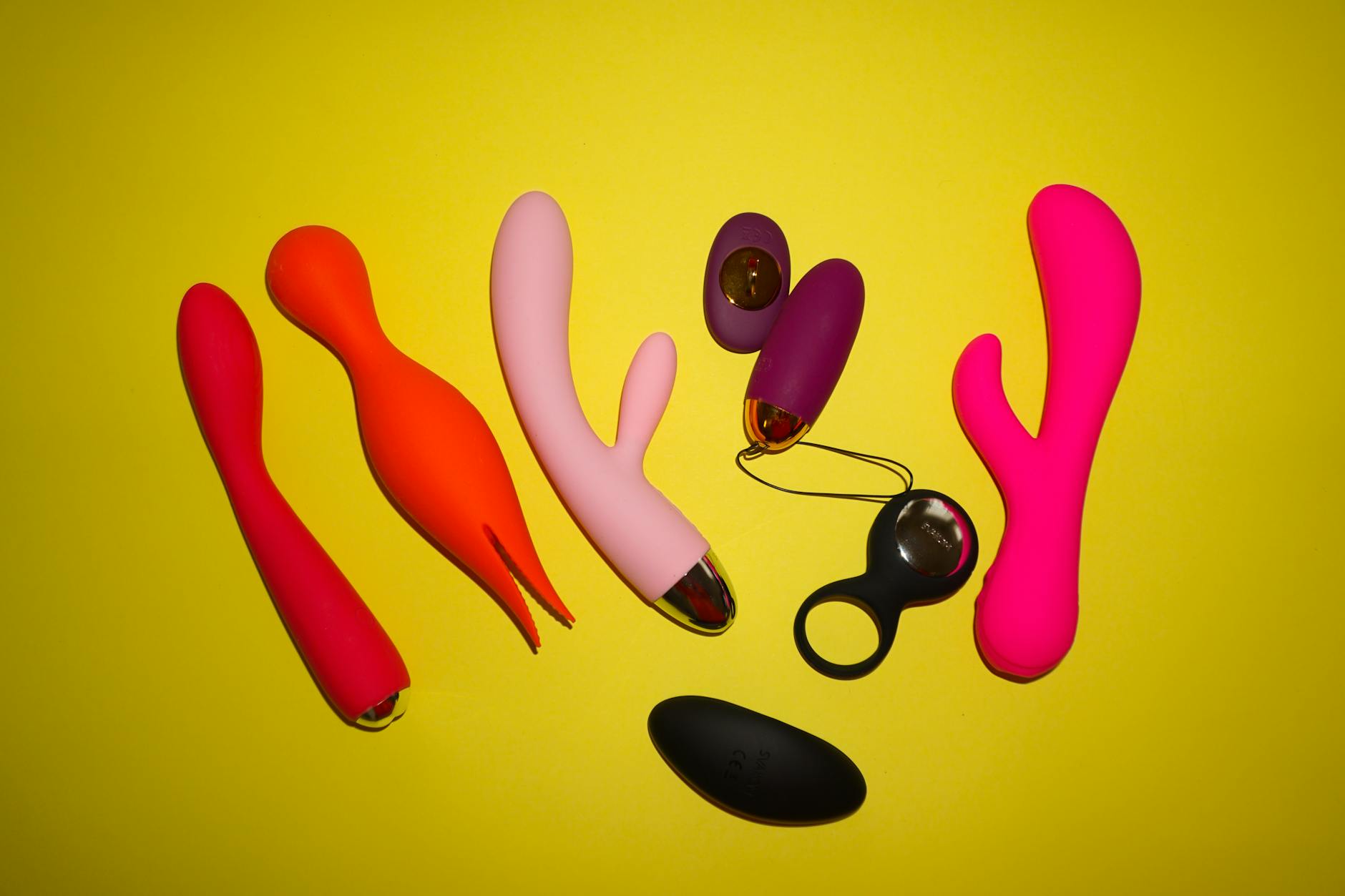
The conversation nobody's having
You started the medication because you needed it. Depression, anxiety, blood pressure, hormones. All legitimate reasons. Then somewhere between week two and week six, desire just... evaporated. You weren't sad about it at first because you were managing something heavier. But now, three months in, you're realizing you don't feel turned on by anything, and your partner is starting to notice. Or you're solo and wondering if you'll ever want this again.
Here's the thing nobody told you: this is not permanent, it's not your fault, and it's wildly common. And there are actual strategies, including lemon sexual toys designed for exactly this problem.
Why medication tanks desire
Antidepressants (especially SSRIs), some blood pressure meds, birth control with certain progestin ratios, and hormonal IUDs all work on the same nervous system pathways that fire up arousal. They're not bugs. They're side effects of how your brain chemistry shifted to manage something else.
SSRIs raise serotonin, which is great for mood. But they also dampen dopamine in the reward center of your brain. That's the system that says "hey, this feels good." So you're not broken. Your neurochemistry is just recalibrated in a way that made sex feel optional instead of inevitable.
Birth control does something different. If your formulation is heavy on progestin, it can suppress testosterone production. And yes, people with vulvas produce testosterone too. A lot of it. When it drops, desire follows.
The good news: your body didn't forget how to have pleasure. The signals just got quieter.
The three-layer problem
Low libido from meds isn't one thing. It's three things stacked on top of each other, and you have to address all three or nothing changes.
Layer one: physical response. Your body might not lubricate as quickly. Arousal might take longer to build. The clitoral glans might feel less sensitive. This is the most obvious layer and the one most people focus on. But it's actually the least important.
Layer two: mental expectation. You've been told (by culture, by partners, by porn) that desire should just happen. When it doesn't, you assume you're broken. So you stop trying. You stop paying attention to your body. You tell yourself "maybe that's just who I am now." This belief then becomes the ceiling on what's possible.
Layer three: relational context. If you're coupled, your partner's frustration (even unspoken) adds weight. You're not just managing low desire. You're managing their disappointment too. If you're solo, you might feel weirdly ashamed that you "don't care" anymore, which is its own flavor of stuck.
You have to work the physics and the psychology at the same time.
What actually helps (the realistic version)
Three things in order of impact.
First: talk to your prescriber. I know, I know. But honestly? Some meds have alternatives with fewer sexual side effects. Some don't. Some doctors will lower your dose or switch the timing of when you take it (morning vs. evening can matter). You might not get perfect desire back, but you might get 60 percent back. That's a real conversation worth having.
Second: separate sex from performance. Desire-responsive sex is a real thing, and it's probably what you're experiencing right now. Your body doesn't generate spontaneous arousal. But it can become aroused if you're already touching it. The Lemon vibrator is perfect for this because it's low-pressure entry into sensation. You're not waiting for the moment to strike. You're creating the moment through sustained touch. No performance required. No "am I wet enough" question. Just physical pleasure, accessible immediately.
Third: reframe what you're looking for. You're not trying to feel like you did before medication. You're trying to feel something now. That something might be different. It might be more focused, less romantic, more mechanical. All of that is fine. Pleasure is pleasure.
How lemon clitoral vibrators work specifically for this
The Lem uses pulsation and suction rather than traditional vibration. Here's why that matters when desire is chemically suppressed.
When you're on an SSRI or progestin-heavy birth control, the clitoris can feel sort of numb. Direct vibration sometimes doesn't cut through that numbness effectively. Suction activates different nerve pathways. It's a different kind of sensation, and often it's the sensation that finally registers.
Also, you don't have to wait for arousal to begin. With the Lem, you can start at the lowest pattern and let sensation build gradually. Your body catches up. You're not checking in with yourself going "am I turned on yet?" You're just... experiencing sensation. That small shift takes the performance anxiety completely off the table.
Start with Pattern 1 or 2. Seriously. The instinct is to crank it up because you're not feeling anything. Don't. Give it three to five minutes at a lower intensity. Your nerve endings wake up faster than you think they will.
The timeline you should expect
This matters because false expectations kill momentum.
Week one of using a lemon vibrator while on medication: you might feel genuinely nothing. Or you might feel a dull pressure. That's normal. Your nervous system is still recalibrated.
Week two to three: you'll probably start to feel a sensation that registers as "pleasant" without being explosive. Stick with it. This is exactly where people quit thinking "this isn't working," but this is actually where it's working.
Week four and beyond: pleasure starts to build momentum. Your body remembers what it's supposed to do. Arousal becomes easier to access, though it might never snap into place the way it used to. It builds instead of ignites. Both are valid.
If you're at eight weeks and feeling absolutely nothing, loop back to your prescriber. There might be a medication timing issue or a dose issue worth adjusting.
When to involve your partner (if you have one)
Don't wait until you've got it figured out to tell them something shifted. That creates a weird false surprise later. Instead: "The meds are affecting desire in a way I want to work through. I'm exploring some things. Here's the timeline I'm expecting."
Then use solo time to experiment with the Lem without audience pressure. Get comfortable with it on your own first. Once you know what works, you can decide whether and how to involve them.
If they're frustrated, that's not actually your job to manage. It's their job. You managing someone else's feelings about your body is exactly the thing that kills desire faster than any medication.
The medication conversation with yourself
Here's what I tell clients: if the medication is saving your mental health and the sex is complicated, that's a math problem worth doing. The goal isn't to get back to pre-medication desire. It's to get to "good enough" desire while staying stable mentally.
Sometimes that math doesn't work out and you do need to switch. Sometimes it does and you learn to work with what you've got. Both are okay.
FAQ: Low Libido, Medication, and Pleasure
Will my libido come back when I stop the medication?
Usually yes, but not always immediately. Some people find desire rebounds within weeks. Others take months. The longer you've been on the medication, the longer the recalibration sometimes takes. And here's the thing: sometimes when desire does come back, it comes back different. That's not bad. It's just different. You might also realize you don't want to stop the medication because the mental health benefit is worth it. That's a legitimate choice too.
Can I use a lemon vibrator while on antidepressants?
Completely safe. There's no interaction between medication and external vibration. The only thing that changes is sensation, which is the whole point. If anything, you're working with your medication rather than against it by adapting your approach to pleasure.
Is it normal that a lemon clitoral vibrator feels intense after a few uses?
Yes. Your nerve endings are waking up. Sensation builds. If it ever becomes too intense, dial back the pattern or take a break for a day. There's no prize for pushing through discomfort. Pleasure is supposed to feel good, not achieve something.
What if I feel guilty using a vibrator while in a relationship?
Don't. Using a lemon sucker on your own or with a partner is not cheating. It's not replacing them. It's managing your body's response to chemistry you didn't choose. A partner who guilts you for this is managing their own insecurity, not your actual problem.
Should I tell my partner I'm using a lemon vibrator?
That depends on your relationship and your comfort. If you usually talk about sex, then yeah, it's worth mentioning. "I'm exploring some things to work with the medication side effects." If you don't usually talk about sex, you don't have to announce it. But also, if the medication is affecting your coupled life, the real conversation is with your prescriber, not just solo experimentation.
How long before I know if this approach is working?
Give it four weeks of consistent use (three to four times per week minimum). If you're feeling something by week four that registers as pleasant, you're on the right track. If you're still feeling nothing, talk to your doctor about whether the medication timing or dose might need adjusting before assuming this is your new normal.
The thing nobody says out loud
Medication-induced low libido is a legitimate side effect with legitimate solutions. You're not broken because your chemistry shifted. You're adaptive, which is different. And you deserve pleasure even if your brain chemistry currently makes desire harder to access. That's not settlement. That's acceptance of where you are right now, combined with actual tools to work with it.
Hello Nancy products like the Lem are designed for exactly this. Not because they're magic. Because they create sensation independent of arousal, which is exactly what you need when arousal is chemically suppressed.
You might get full desire back. You might get partial desire back. You might decide the medication is worth it anyway. All of those are valid. What's not valid is pretending this is your permanent state or that pleasure is off the table. It's not. It's just changed shape.